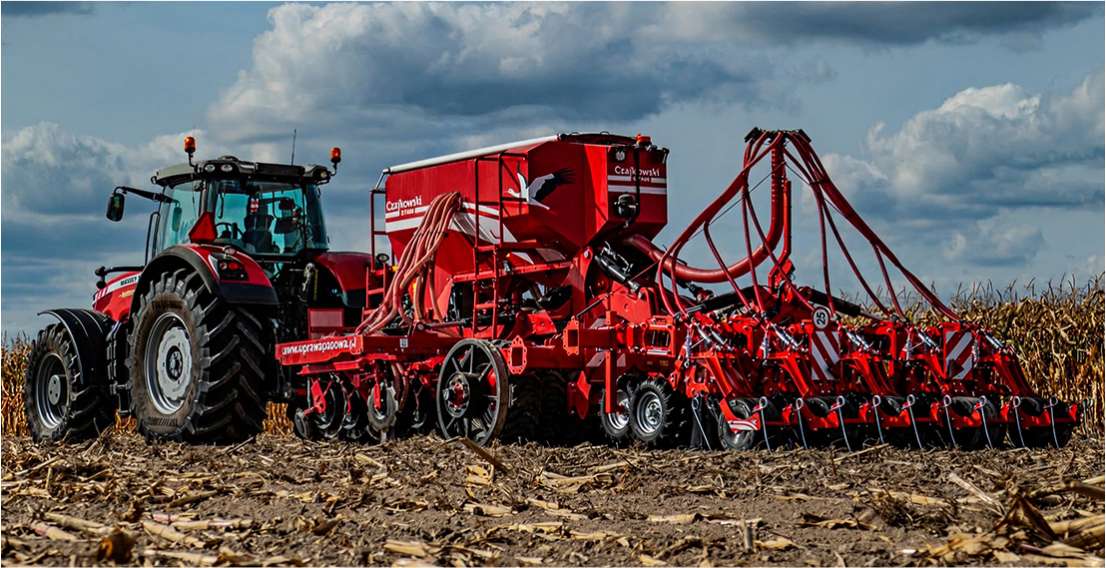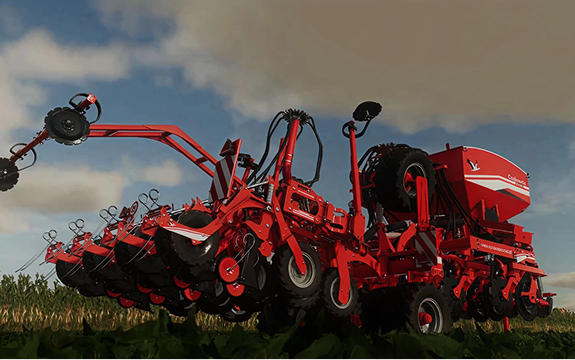
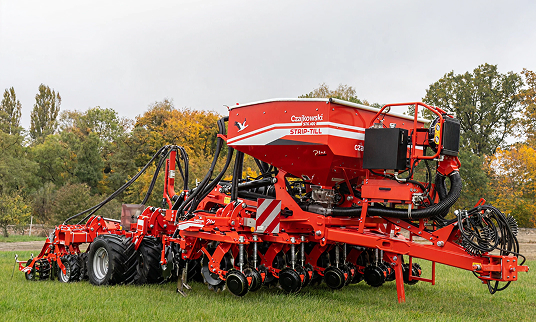
- Tillage exclusively in the seed row
- Harvest safety - loosened and aerated soil
- Advantages of direct sowing - soil protection from erosion
- Reduction of CO2 emissions into the atmosphere from 7% to 35%.
- Use of localized vertical fertilization of the soil
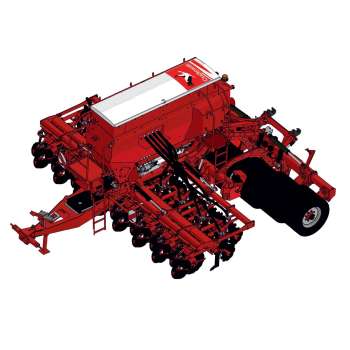
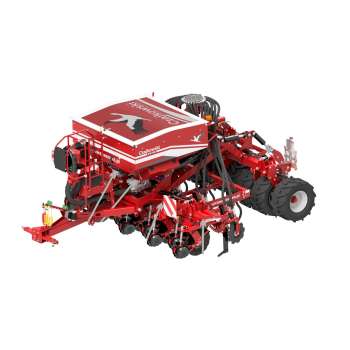
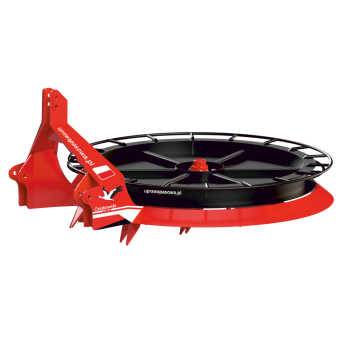
The Czajkowski strip processing unit allows you
to obtain a number of financial advantages:
30%
reducing fertilizer application
50%
70%
reducing the time required for soil cultivation, fertilization and sowing
Fertilizer application and
soil structure in strip tillage
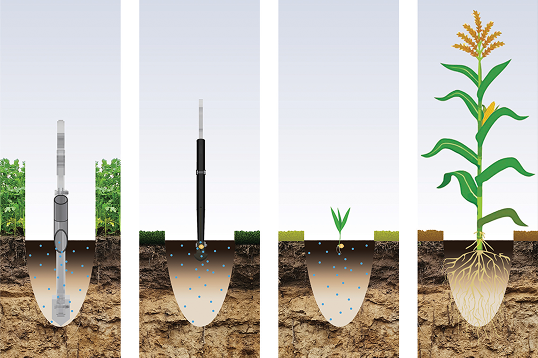
Soil structure is the way in which soil particles are combined into aggregates. Its shape, size, and stability determine how well the soil allows water and air to pass through and supports plant growth.
In nature, it depends on the climate, vegetation, and parent rock. The most favorable for plants is a fine-aggregate, lumpy structure—like a soft sponge with pores and channels.
- A well-formed structure:
- improves plant rooting;
- maintains water-air balance;
- helps retain rainwater;
- protects against erosion.
In agriculture, its quality is primarily influenced by agricultural techniques—in particular, the type of soil treatment used.
- Restores fine-grained structure
- Increases humus content
- Increases earthworm abundance
- Reduces soil loss by up to 95%
- Reduces surface runoff by up to 92%
- Restores natural soil resilience
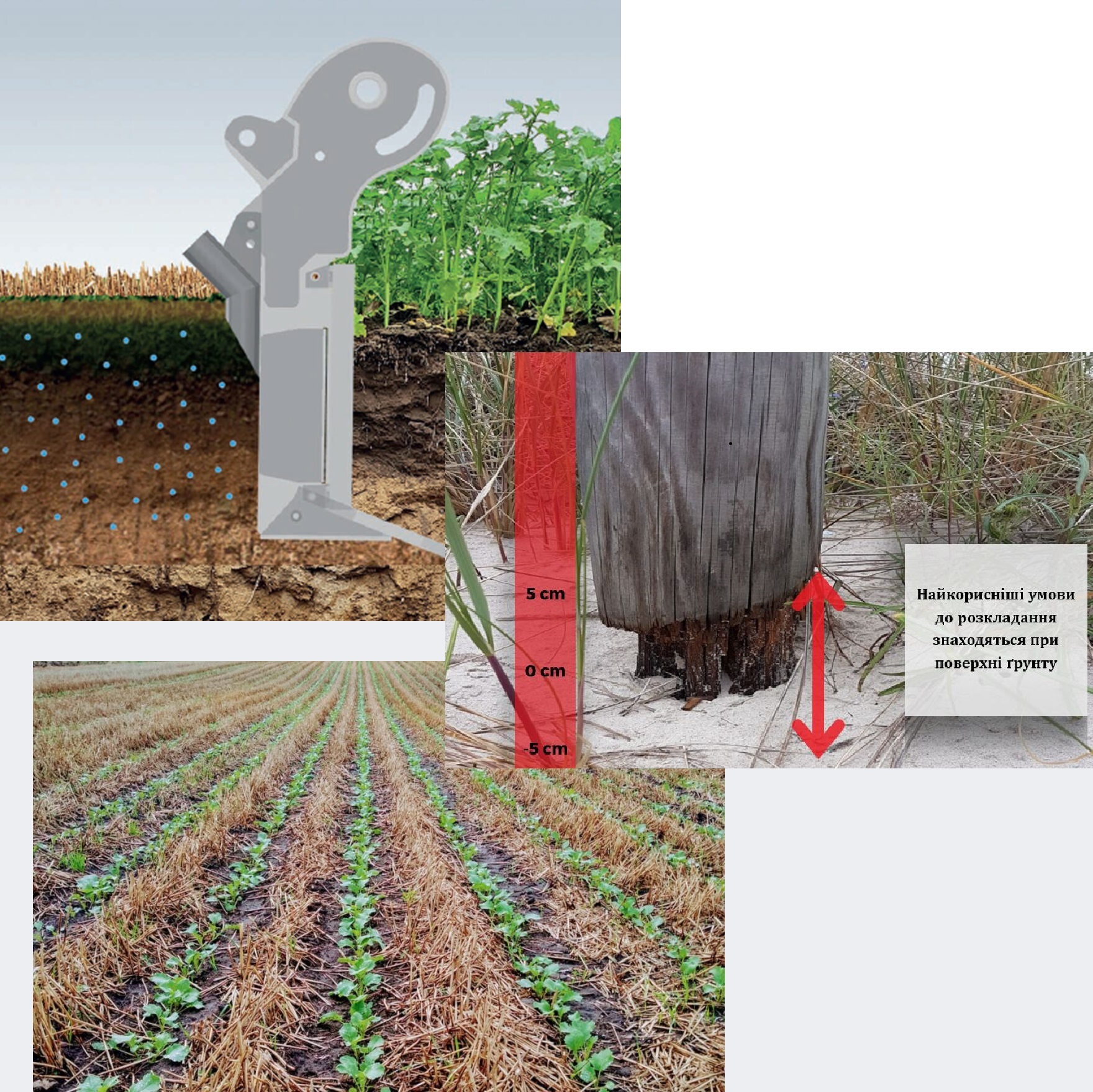
Technology in harmony with nature
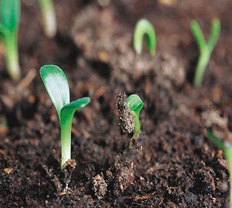
Climate change and frequent droughts accompanied by wind erosion require new approaches in agriculture. It is important to implement technologies that help effectively retain moisture in the soil for as long as possible.
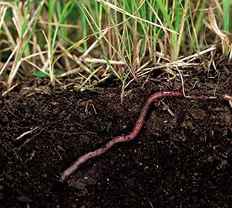
To maintain moisture and fertility, the soil must be protected from water and organic matter loss. It is important to stimulate biological life - including earthworm activity, improve structure, reduce compaction and promote aeration. Strip tillage contributes to all of these processes
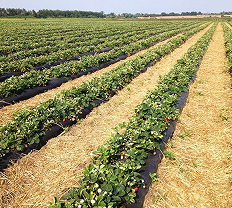
Mulch retains moisture. It helps water penetrate the soil and reduces the risk of erosion. Mulching prevents the formation of a soil crust and retains moisture for a long time. Through the channels created by earthworms, water effectively reaches the roots of plants.
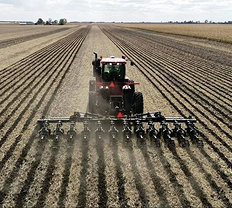
Strip tillage is the answer to the challenges of modern agriculture. It creates favorable conditions for plant growth, combining loosening, fertilizing and sowing in one pass. Environmental challenges are shaping a new vision of soil cultivation - more economical, efficient and nature-oriented.
A new dimension in agriculture Strip tillage — Strip-till #1 on the market